

Digital menu boards are constantly advancing, utilizing cutting-edge technology along with the imaginative skills of designers and developers. These boards serve as more than just a modern substitute for traditional menus; they act as strategic tools that can greatly improve customer interaction and boost sales. In a market that is becoming increasingly competitive, businesses are on the lookout for creative methods to enhance their revenue. The latest trends in digital menu boards are specifically crafted to help increase sales. In our current digital landscape, conventional menu boards might not suffice to draw in customers to your establishment. This is where digital menu boards come into play. These modern displays provide a captivating and dynamic way to present your menu items, effectively capturing the attention of potential diners and encouraging them to indulge in your culinary delights.
Multiple Innovative Uses
When designing a digital menu, two important factors come to mind: readability and accessibility. You try to create a menu that is easy to read, so that customers don’t have to squint or constantly ask the waiter for help. In addition, you want your customers to access the menu quickly upon entering a restaurant or a shopping mall. What if there was a way to take both readability and accessibility to the next level? Enter digital menus, which not only ensures easy readability for your customers, but also gives you increased flexibility in managing your offers and reducing printing costs. With a digital menu, you can easily enhance your customers’ experience.
Improved Customer Experience
When crafting a restaurant menu, two key elements stand out: clarity and ease of access. It’s essential to design a menu that customers can read effortlessly, eliminating the need for them to squint or frequently seek assistance from the staff. Additionally, you want patrons to be able to quickly view the menu as they enter your establishment or while they settle at their preferred table. Imagine if there were a way to elevate both clarity and accessibility even further. This is where digital menus come into play, providing not only enhanced readability for your guests but also offering greater flexibility in managing your menu items and cutting down on printing expenses. With a digital menu, you can effortlessly improve the overall dining experience for your customers. By adopting digital menus, you can create a more engaging atmosphere that caters to the needs of your diners. This modern approach not only streamlines the ordering process but also allows for real-time updates, ensuring that your menu reflects the freshest offerings. Ultimately, digital menus can transform the way your customers interact with your restaurant, making their experience more enjoyable and efficient.
Heightens Sales
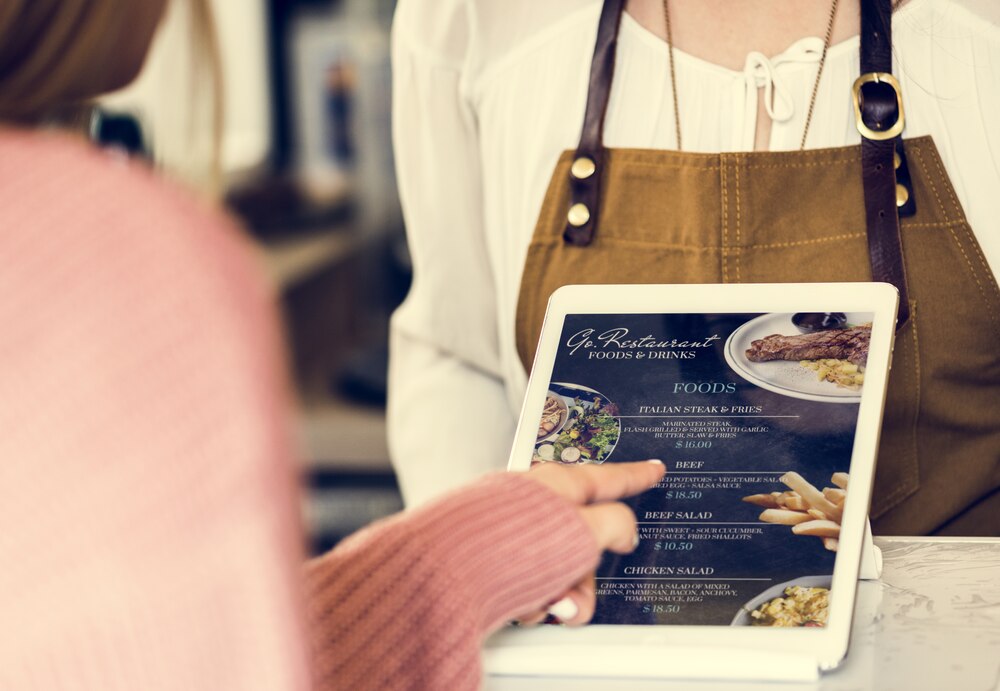
Numerous studies have demonstrated that digital menu boards can significantly enhance sales performance. The visual appeal of images tends to draw customers in, leading them to make faster decisions. As a result, this often translates into higher spending. Research indicates that restaurants have experienced an increase in sales ranging from 10 to 15 percent after implementing digital menus. Business owners have the flexibility to select which items to showcase based on factors such as customer preferences, profit margins, promotional offers, and current inventory levels. By highlighting items that yield better profits on the menu board, they can entice customers to make those purchases. This strategic approach can further boost overall sales for the establishment. The ability to adapt and customize digital menu boards allows restaurants to respond effectively to changing customer demands and market trends. By leveraging this technology, owners can create a more engaging customer experience that not only attracts customers but also encourages them to explore a wider range of offerings. Ultimately, this can lead to a more profitable business model.
Cost-effective & Eco-friendly
Printed menus often necessitate regular updates and reprints due to changes in pricing, menu items, or seasonal offerings. Transitioning to an online menu eliminates the need for costly printing supplies such as paper, ink, and holders. By embracing a digital format, businesses can avoid these ongoing printing costs, leading to significant savings over time. In addition to financial benefits, traditional paper menus contribute to environmental waste. They are frequently discarded after a single use or thrown away when updates are needed. By implementing digital menus, businesses can greatly cut down on paper waste, thereby reducing their ecological impact. This transition supports sustainability efforts by preserving natural resources and helping to combat deforestation. The environmental advantages of digital menus extend beyond just saving paper. By minimizing the use of printing materials, businesses also lower their energy consumption and decrease greenhouse gas emissions linked to the production and transport of paper products. This shift plays a vital role in addressing climate change and encourages a more sustainable approach to business practices. Additionally, digital menus facilitate dynamic pricing, allowing businesses to adjust prices based on demand, which can enhance both profitability and customer satisfaction.
Improves Customer Service
The introduction of digital menus has transformed the landscape of the restaurant industry. These menus not only facilitate digital ordering but also significantly enhance the speed and efficiency of service. Even establishments that do not offer digital ordering can benefit from implementing QR code menus, which can greatly enhance the overall dining experience by streamlining operations and minimizing wait times. A key advantage of digital QR menus is the removal of the wait associated with traditional paper menus. Previously, diners had to wait for a server to bring the menu, which could lead to delays, particularly during busy periods. With the advent of QR code menus, patrons can quickly access the menu on their smartphones by simply scanning a code, allowing them to browse at their leisure without needing to flag down a server.
Interactive digital menus also empower customers to create their own “shopping cart” or order list right from their devices. As they explore the menu, diners can easily add their desired items to a digital cart. This feature is particularly useful for groups or those looking to order multiple dishes, as it allows them to finalize their selections before the server arrives, thus streamlining the ordering process and reducing the time spent on decisions when using traditional menus.
Innovative Digital Menus
The adoption of digital menus can greatly enhance the operations of restaurants, hospitality establishments and shopping experience. Not only do they allow for easy updates and additions to the menu, ensuring that offerings are always current, but they also help reduce printing expenses and contribute to environmental sustainability by minimizing paper use. With digital menus accessible via mobile devices and browsers, customers can effortlessly browse the menu and place their orders, making the customer experience more convenient. Furthermore, digital displays can serve as a platform for showcasing customer reviews and feedback. This practice can significantly bolster a restaurant’s brand image and attract more visitors. Positive endorsements from patrons, along with word-of-mouth recommendations, can be incredibly effective in promoting an establishment often proving to be the most valuable form of advertising.
It’s no surprise that an increasing number of establishments are opting for digital menu boards over traditional printed ones, given the substantial operational advantages and potential for increased sales. Digital boards offer a vibrant, clear, and visually appealing presentation that stands out compared to conventional menus. This not only enhances the customer experience but also creates a memorable impression, encouraging repeat visits.